
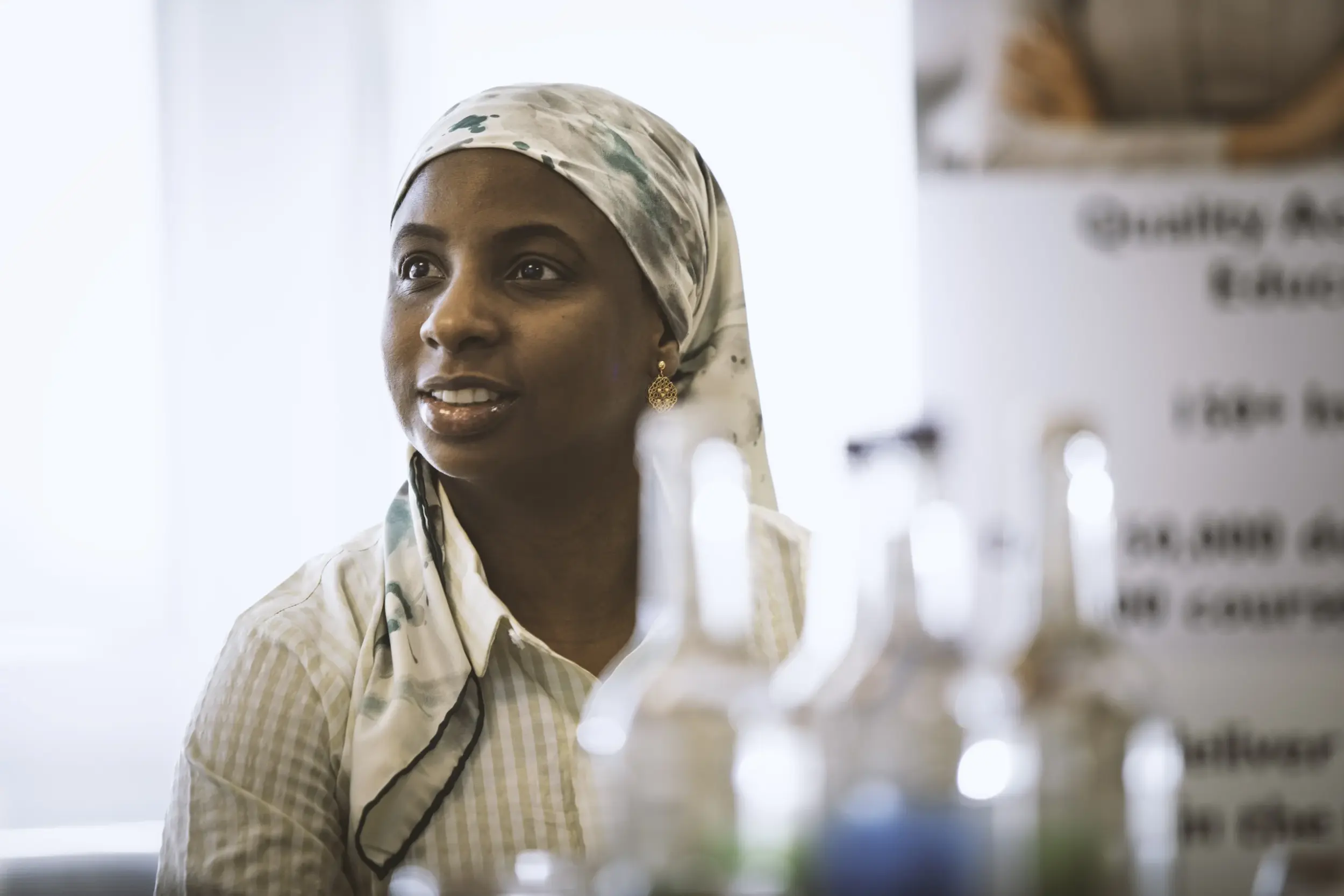
It is not in dispute that women can perform well in leadership positions. There are women across the world thriving in senior executive positions. They are breaking glass ceilings and serving as enigmatic role models for younger generations.
However, across industries, many women still face unique challenges when it comes to leading and progressing. Their challenges are different to the challenges their male counterparts experience.
Whether it’s affinity bias (where individuals favour those who share similarities over qualifications or performance), unconscious bias (unintentional judgements based on gender), or direct sexism or misogyny, women’s experiences throughout their careers can be distinct from their male colleagues.
Specialised executive education focused on women, such as LCT International’s Women in Leadership course, led by women and attended by women, can provide a space to openly address these obstacles. They offer successful, workable strategies to overcome the roadblocks to leadership and success.
- Tailored Strategies for Overcoming Gender-Specific Challenges
Women are great decision-makers, skilled strategic thinkers, and are universally recognised as more emotionally intelligent than men. However, women, due only to their gender, encounter specific barriers that need to be overcome on their path to leadership roles.
An executive education course, such as that delivered by London Corporate Training, tailored to women in leadership, or those pursuing a path of leadership, provides targeted strategies for navigating these challenges. By delving into topics such as:
- Negotiating
- Managing gender-related biases
- Building an influential network
Participants can equip themselves with practical tools to overcome obstacles they may have faced or are likely to face.
-
Leadership Presence and the Likability Dilemma
There is a misconception that women struggle with confidence in leadership roles. Often, women do not struggle with confidence, they struggle with the inbuilt, society engineered, innate belief, that they need to be seen as ‘nice’ or ‘accommodating’. And this is often in direct conflict with being confident, assertive, powerful, influential and strong.
The much seen TED talk by Robin Hauser highlights perfectly the Heidi/Howard dilemma where exact behaviours are seen as inspirational in a man, yet seen as unflattering in a woman.
Through workshops, mentorship, and real-world case studies, a Women in Leadership course can help develop resistance to the ‘good girl complex’. Participants learn how to project confidence, communicate assertively, and navigate high-pressure situations—traits that are essential for women looking to make an impact in leadership roles, whilst not worrying about if they come across as ‘nice.’
-
Expanding Professional Networks
One of the greatest benefits of an executive education course specifically for Women in Leadership is the opportunity to network with other like-minded women. Being part of a cohort of peers who share similar career aspirations can be incredibly rewarding and valuable. This can be of value when women work in environments where their representation is limited.
Women in Leadership programmes often feature networking events, group discussions, and mentoring opportunities, allowing women to build connections that may lead to new business opportunities and collaborations. Expanding your professional network within a supportive environment fosters a sense of community and solidarity, providing both personal and professional growth.
-
Leadership Skills in Diverse Contexts
More women in leadership positions results in less affinity bias, and women are perfectly positioned to work across diverse context whilst taking steps to encourage more diversity within those contexts. Women in leadership positions can be the champions of not only women, but other minority groups in the professional world.
Whether through immersive leadership exercises, interactive discussions, or expert guest speakers, Women in Leadership courses offer women the tools to excel in:
- Managing diverse teams
- Driving inclusive decision-making
- Balancing the complexities of modern organizational dynamics
These skills are not only valuable but are increasingly critical as global companies prioritise inclusivity and diversity in their leadership ranks.
-
Senior Executive Roles: How to Get There
Women still face a significant underrepresentation in senior executive roles. Although they often demonstrate strong performance and leadership potential, many women report they struggle to make the transition to top-tier roles, such as C-suite, CEO or board director.
An executive education course designed for women can provide the knowledge, skills, and strategic vision needed to step into these top positions. The topics covered and information shared equip women with the tools they need to compete at the C-suite level. These programmes focus on advanced leadership strategies, financial acumen, corporate governance, and global business dynamics – critical areas that empower women to make an impact at the highest levels of an organisation. Exposure to these areas is invaluable and knowing what to expect before getting there gives the women who participate in these programmes a competitive advantage.
-
Developing Emotional Intelligence and Resilience
Leadership is as much about emotional intelligence as it is about strategy and decision-making. Women in leadership roles often face unique emotional and psychological challenges, such as balancing assertiveness with empathy or managing work-life integration.
Courses focused on women’s leadership offer valuable training in emotional intelligence (EQ), helping women sharpen their self-awareness, manage stress, and communicate effectively with their teams. Developing resilience, learning how to cope with setbacks, and maintaining a strong sense of purpose can ensure women remain effective leaders during challenging times.
-
Driving Change and Empowering Future Generations
Women who take part in leadership-focused education programmes are not only investing in their careers but also in the future of other women who will follow in their footsteps. By becoming more effective leaders, women in senior roles can serve as role models, mentors, and sponsors, paving the way for greater gender equality in leadership positions across industries. There are multiple reasons why the world needs more women in leadership positions.
By empowering themselves, women contribute to a broader cultural shift toward more inclusive and diverse leadership in business. This ripple effect can influence workplace policies, business practices, and societal norms, creating a more equitable environment for the next generation of women leaders.
Conclusion
Taking part in an executive education Women in Leadership course at London Corporate Training is an investment in both personal and professional growth. It provides women with the tools, strategies, and support needed to break through barriers, develop advanced leadership skills, and ultimately thrive in senior roles. In a world that is increasingly focused on diversity and inclusion, women leaders have the opportunity to shape the future of business – one course at a time.
So, whether you’re looking to climb the corporate ladder, broaden your leadership impact, or build a more resilient and confident version of yourself, an executive education Women in Leadership course could be the catalyst you need to take your career to the next level.