

Todays sports business leaders are confronted with a range of issues – from the threat of commercialisation and increasing fan demands, to the disruption from technological change. It is evident that the sports industry has evolved significantly in the last few decades. What was once fuelled by passion and enthusiasm has now become an industry driven by data, strategy, and performance-based leadership. These cover the influence of television, social media, livestreaming platforms, branding in sporting venues, pre-promotion tactics, PR material, and governance.
Want to sharpen your strategic skills in sport? Check out our Strategic Sports Business Management course!
Success in modern sports isn’t accidental; it’s decidedly strategic. This blog serves as a framework for sports business leaders, detailing seven essential tools grounded in business principles tailored specifically for the sports industry:
Tool 1: The Game Plan – Crafting a Winning Strategic Vision

Just as a coach needs a game plan for a match, sports business leaders need a full organisational game plan. Establishing a powerful mission and setting clear goals is similar to orienting the various divisions of your team, like players on a soccer field. By identifying clear, long-term targets for your sports brand to move towards, you create a compass for your departments to follow, and this is crucial in achieving sustained success, over a long period of time. As well as this, techniques such as SWOT and PESTLE analysis can be adjusted with a sports focus to help develop a strong strategic direction.
Explore SWOT Analysis in Sports Strategy and PESTEL Analysis in Sports Strategy!
Tool 2: The Club Identity – Building a Brand Fans Bleed For
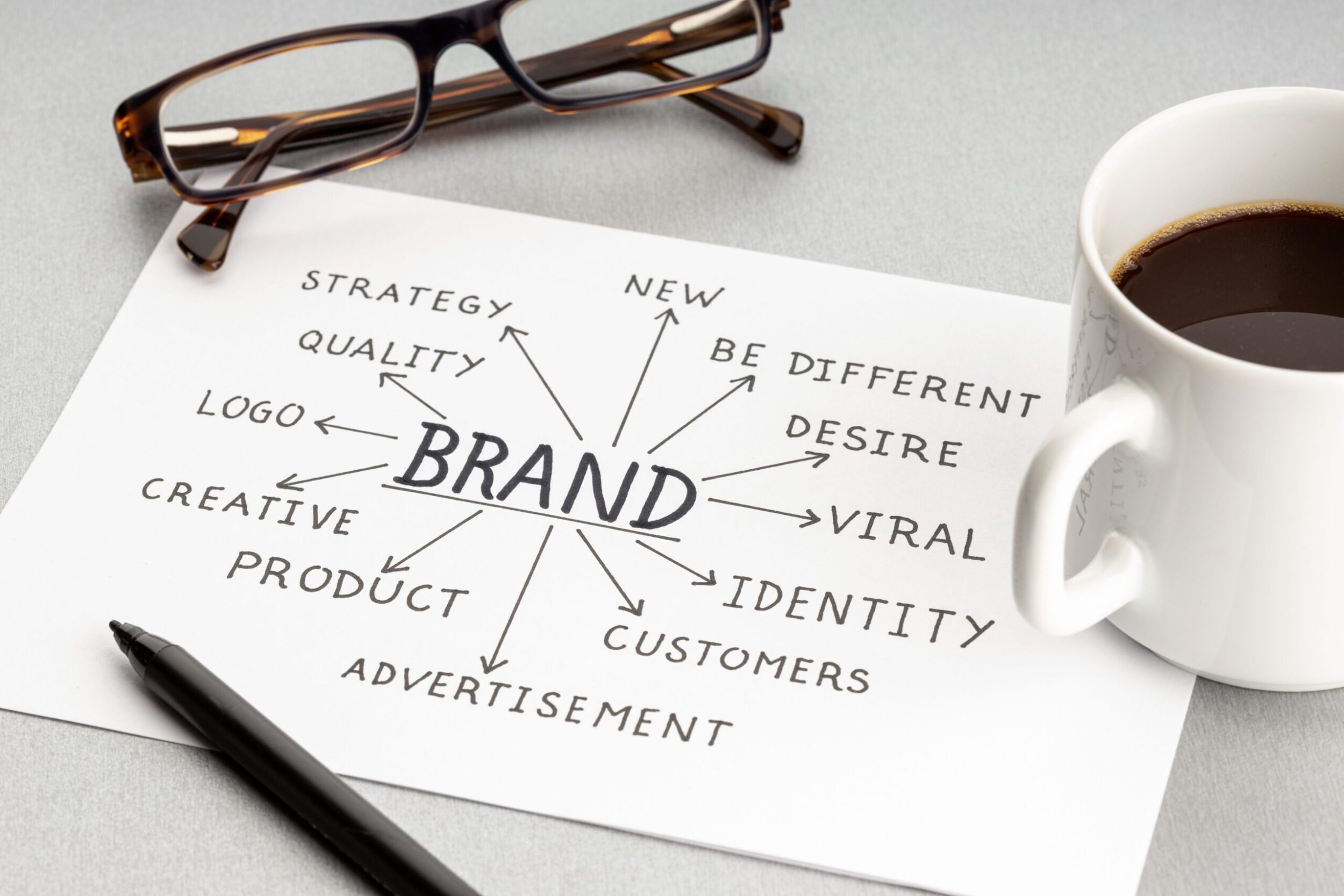
Every sports organisation inherently functions as a brand. The art lies in shaping a narrative and presence that resonate with and drive loyalty across generations. Fan engagement, leveraging digital channels, and employing emotional storytelling serve as powerful competitive assets. Looking at the football industry, for example, FC Barcelona has the slogan ‘més que un club’ (‘more than a club’) which has been a significant contributor in developing the club as a brand across the globe. This applies to many sports brands, which through associating themselves with a particular slogan or idea have successfully managed to differentiate themselves from other brands, helping them stand out and gain more fan loyalty and global exposure.
Learn more about The Story Behind ‘Més Que Un Club’ Of FC Barcelona
Tool 3: The Matchday Engine – Operational Excellence for Sports Events

Behind any seamless game day is a well-orchestrated operations team. From logistics and media coordination to ensuring fan safety and managing various stakeholders, every event presents an opportunity for reputation building and revenue generation. A sports brand can build up its reputation through having a smooth running matchday program, in which fans leave a venue satisfied, with a desire to return. This, for sports leaders, acts as an opportunity to reinforce the club’s identity, build trust and loyalty amongst the supporters, and fosters drive for the long term commercial value of the brand.
Discover more about LCT’s Sports Event Management and Operations course!
Tool 4: Financial Fitness – Managing the Business Behind the Badge

Success on the field must be matched by an adequate level of financial management. Acumen in reading the profit and loss accounts, managing sponsorship income, and navigating player wage structures ensures sustainable growth. Financial ignorance can quickly lead a club from a road of success down to a slope of failure, which has commonly been the primary cause of the downfall of sports brands, particularly in the last decade. A financially literate leadership team are able to spot certain patterns allowing them to take proactive measures—adjusting investments, renegotiating contracts, or diversifying revenue streams to protect the club’s future.
Tool 5: The Captain’s Code – Leading People, Managing Power
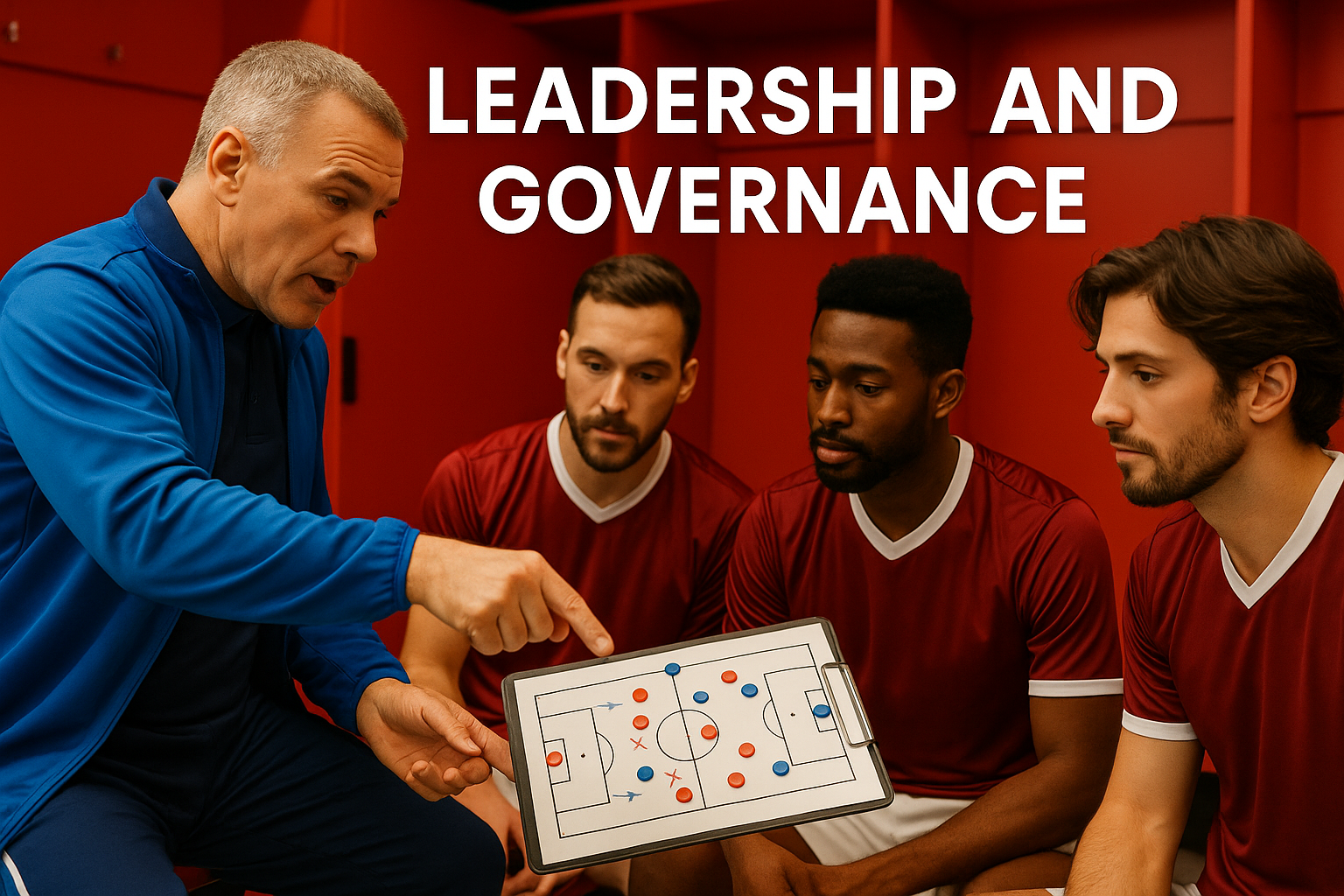
Sporting leadership is the dynamic circulation of influence between players, fans, boards, and regulators. They must have integrity in their leadership, they have to be able to make up their minds when pressured, and they must be able to set ethical guidelines. Also, governance is everything — failure off the pitch can lead to chaos on it. By having a group of devoted leaders within your sports brand, they act as role models for the people within it, and this creates a healthy environment within the business, always striving towards everlasting success.
Tool 6: The Innovation Playbook – Staying Ahead of the Curve

The world of sports is ever-changing. It is essential for sports brands to use the evolving nature of AI to their advantage, in particular, fan technology, data analytics, and sustainability trends. With advances in broadcasting, merchandising, ticketing, and athlete management, only forward-thinking organisations will gain a decisive edge—not by reacting, but by proactively integrating these tools into their long-term vision.
Position your brand for long-term success with the Sports Marketing and Branding Excellence course.
Tool 7: The Training Ground – Embedding a Learning Culture
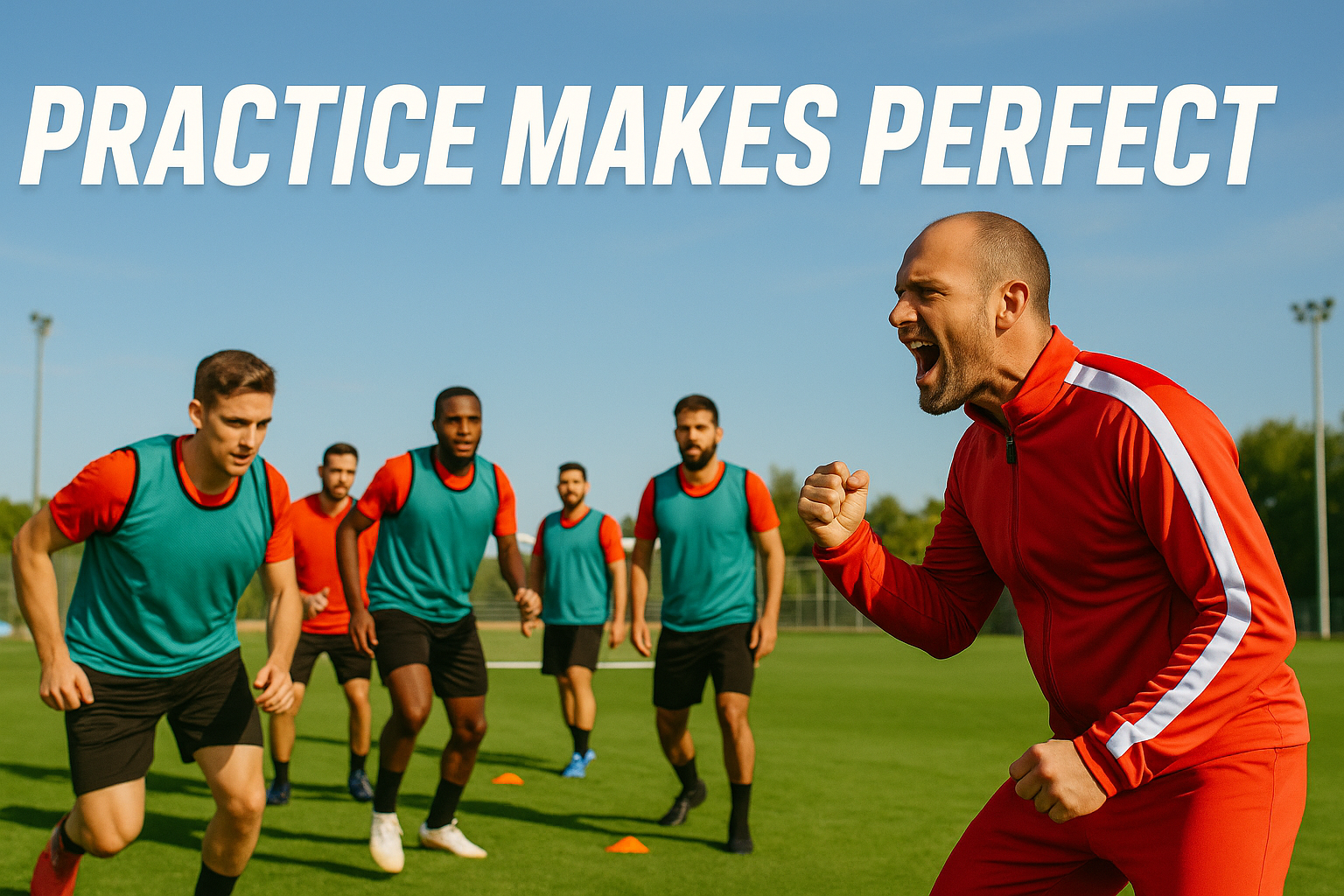
Victorious teams are relentless in their training. Similarly, successful organisations prioritise continuous learning. Establishing a system for upskilling, leadership development, digital training, and cross-departmental learning enhances knowledge agility, providing a strategic edge in all competitions.
According to UEFA’s report, elite clubs are spending big on developing their training infrastructure to ensure long-term performance and brand power. This highlights the imperative for sports business leaders to think ahead and stay ahead through strategic planning and innovation. Developing skills through a professional development course that targets on training ground investment, branding and sports marketing is now more important than ever.
Read the full UEFA report here!
Conclusion: If Strategy is a Skillset- Train Like a Champion
If you are at the forefront of sport today, you’re not just running teams — you’re running brands, risks, finances, people and possibilities.
These seven tools make up a foundational set of abilities for leading sports business at the top level. But tools are only so good as the people who use them. This is where LCT International comes in, delivering tailor made corporate training programmes for sports organizations, converting insight into the business world of effect.

Explore our courses:
Sports Marketing and Branding Excellence
Sports Event Management and Operations
Strategic Sports Business Management