
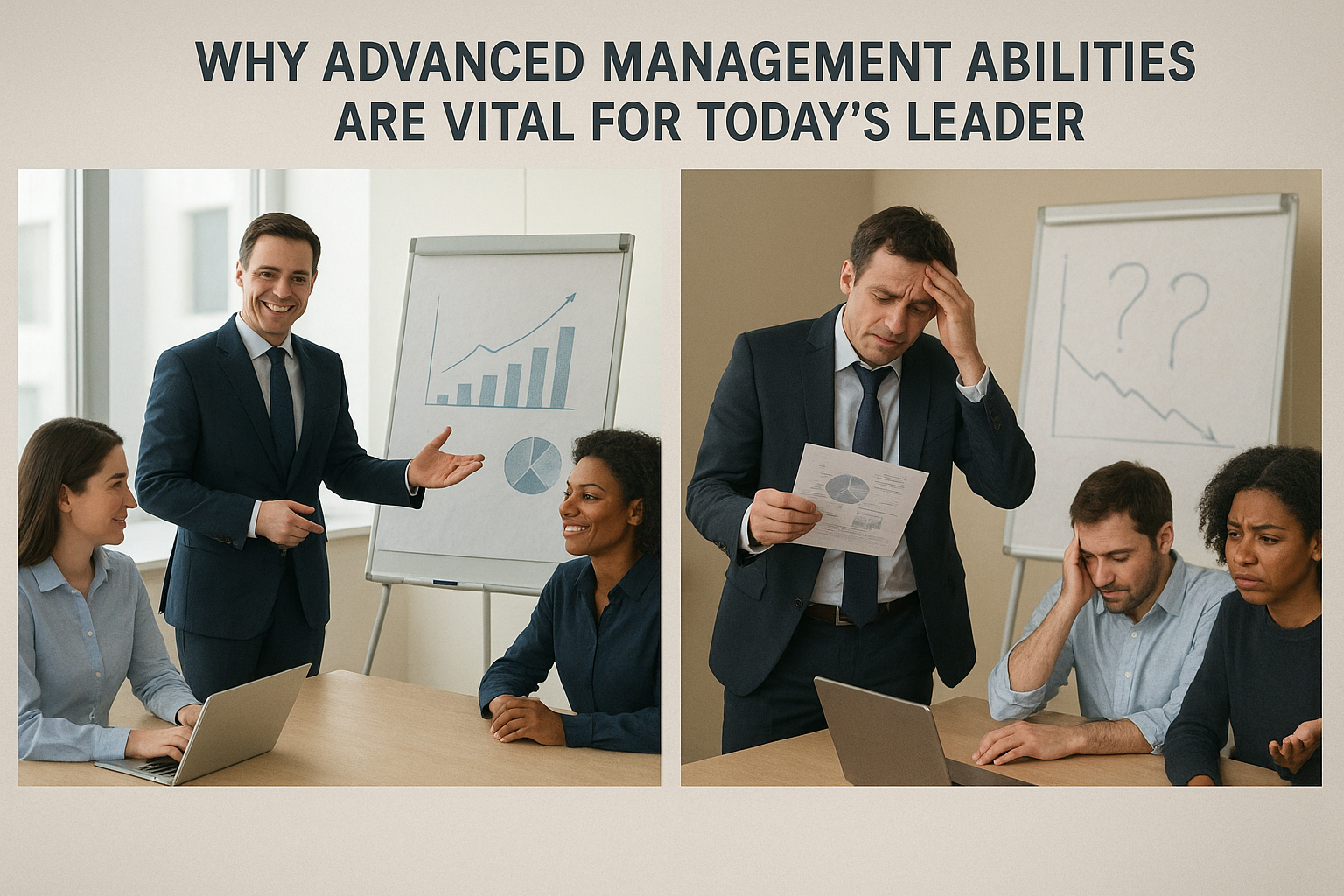
Let’s be honest—being thrown into a management role without proper training is like being handed the keys to a Formula 1 car without learning to drive. Yet this happens in businesses every single day.
The Reality Check: Management Isn’t Natural
Here’s the uncomfortable truth: being brilliant at your job doesn’t automatically make you brilliant at managing others. That top-performing salesperson or exceptional engineer faces an entirely different challenge when they’re suddenly responsible for a team’s performance, wellbeing, and results.
Modern management requires skills that simply weren’t needed a generation ago. Today’s managers juggle remote teams, navigate constant change, and deal with employees who expect more from their leaders than ever before. They need to be coaches, strategists, and occasionally therapists—often within the same afternoon.
This is precisely why corporate management programmes have become so crucial. They bridge the gap between technical expertise and leadership capability, giving managers the tools they actually need rather than leaving them to figure it out through trial and error.
What Actually Makes the Difference
– Getting People on Side
The best managers aren’t necessarily the loudest voices in the room. They’re the ones who understand that getting results means getting people engaged first. Executive management programmes teach you how to have difficult conversations, motivate different personality types, and build trust even when delivering challenging news.
These programmes focus on developing emotional intelligence and communication skills that transform good technical professionals into exceptional people leaders.
– Strategic Management Skills That Matter
Anyone can put out fires. Great managers prevent them. Advanced management programmes focus heavily on strategic thinking—helping managers see patterns, anticipate problems, and make decisions that serve the business long-term rather than just solving today’s crisis.
The most effective corporate management programmes combine theoretical frameworks with practical application, ensuring participants can immediately implement what they learn.
Why Management Training Programmes Work
– Real-World Application
The difference between management theory and management reality is enormous. Quality management training programmes use case studies, role-playing exercises, and peer learning to bridge this gap. Participants practice new skills in safe environments before applying them in high-stakes situations.
– Ongoing Development
One-off training sessions rarely create lasting change. The best corporate management programmes include follow-up sessions, coaching support, and opportunities for continued learning. This approach ensures new behaviours become embedded rather than forgotten.
– Measurable Results
Organisations that invest in comprehensive management programmes see tangible returns: improved employee engagement, reduced turnover, better financial performance, and stronger leadership pipelines. These aren’t just nice-to-haves—they’re competitive advantages.

Choosing the Right Programme
Not all management training is worth your time. The programmes that make a real difference combine practical skills with ongoing support. Look for courses that include real case studies, opportunities to practice with feedback, and follow-up sessions to help embed new habits.
The best programmes also recognise that management is intensely personal. What works for one leader might fall flat for another. Effective training helps you develop your own authentic leadership style rather than trying to turn you into someone else.
Why This Matters More Than Ever
The workplace has changed dramatically, and it’s not changing back. Employees have different expectations, competition is fiercer, and the margin for management mistakes has shrunk considerably. Leaders who invest in proper training aren’t just improving their own careers—they’re protecting their organisations’ futures.
Companies with well-trained managers see better staff retention, higher productivity, and stronger financial performance. It’s not rocket science, but it does require commitment to quality management development.
Ready to Step Up?
If you’re serious about developing your management abilities, don’t leave it to chance. Explore our comprehensive range of corporate management programmes designed for leaders who want to make a real difference in their organisations.